

Exploring the psychology behind casino game choices What drives your luck
The Influence of Decision-Making in Casino Games
Understanding the psychology behind casino game choices is pivotal in grasping why players gravitate towards specific games. In this context, many are turning to bitcoin betting apps that offer unique advantages. Decision-making in gambling isn’t merely a matter of chance; it incorporates cognitive biases, emotional factors, and social influences. Players often choose games that resonate with their personality traits or previous experiences, which can skew their perception of luck and potential outcomes.
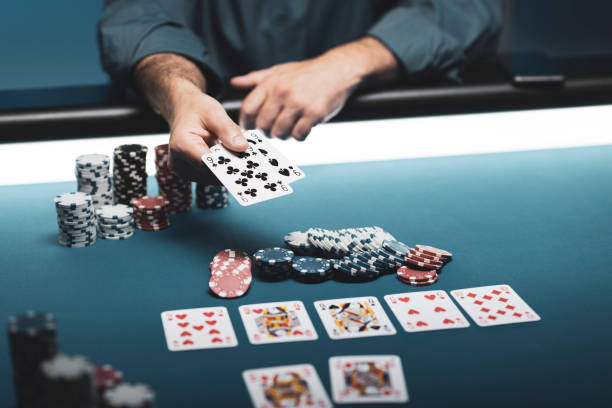
For example, a player who enjoys strategy may lean towards games like poker, where skill can influence the outcome. Conversely, someone seeking thrill and instant results might prefer slot machines, which rely heavily on chance. This variance in decision-making is informed by individual preferences, contributing to their overall experience and perceived luck at the casino.
The Role of Emotions in Game Selection
Emotions play a crucial role in casino game selection, acting as a driving force behind the choices players make. High-stakes environments can elicit excitement, anxiety, or confidence, all of which affect how a person approaches a game. A player in a euphoric state may take more risks and choose high-volatility games, believing that their positive emotional state enhances their luck.
On the contrary, when faced with losses, players might choose different games in an attempt to regain their lost funds, sometimes leading to a destructive cycle of chasing losses. This emotional rollercoaster significantly impacts decision-making and luck perception, reinforcing a deeper psychological connection to the games they select.
Cognitive Biases and Their Impact on Gambling Choices
Cognitive biases, such as the gambler’s fallacy and overconfidence, significantly influence how players perceive their odds of winning. The gambler’s fallacy leads individuals to believe that past events affect future outcomes, creating a false sense of luck based on previous results. For instance, a player might think that a slot machine is “due” for a win after a series of losses, prompting them to continue playing despite the odds.
Overconfidence can also affect choices, as players who have experienced wins in the past may develop a skewed belief in their abilities. This psychological phenomenon can drive them to select games they may not fully understand, thinking that their past luck will translate to future wins. Such biases not only shape the games chosen but also the overall gambling experience and perception of luck.
Social Influences on Game Preference
Social dynamics play an essential role in shaping gambling behavior and game preferences. Casino environments, whether physical or online, foster social interactions that can significantly influence a player’s choices. Observing others winning in a particular game can lead to a herd mentality, encouraging individuals to try those same games in hopes of replicating others’ successes.
Moreover, social settings can create an atmosphere of camaraderie, making specific games more appealing due to the shared experience. Players might flock to popular games or those with larger groups, believing that shared excitement enhances their personal luck. This social aspect adds another layer to understanding why certain games are favored over others in the casino sphere.
Discover More About Your Gaming Preferences
To delve deeper into the intricacies of casino game choices and the psychology influencing them, visit our website. We aim to equip you with insights that can enrich your gaming experience by helping you understand your preferences and decision-making patterns.
Explore articles and resources that highlight various aspects of gambling psychology, including strategies to enhance your overall casino experience. Understanding the motivations behind your choices can empower you to make informed decisions and enjoy your time at the casino even further.